
Preparing for Discharge | Helping people feel ready to leave hospital
Leaving hospital is a key step in recovery, especially for those leaving mental health inpatient hospital care. It can bring optimism alongside understandable concerns about what happens next.
The Safe Discharge Standards for Wales (2025) set clear expectations so that people experience a safe, timely and person-centred transition home. They outlined how a person-centred and compassionate approach is needed. As we mark World Mental Health Day on Friday 10 October, we’ve asked Cardiff and Vale Recovery and Wellbeing College to give an insight of how they are putting these principles into practice…
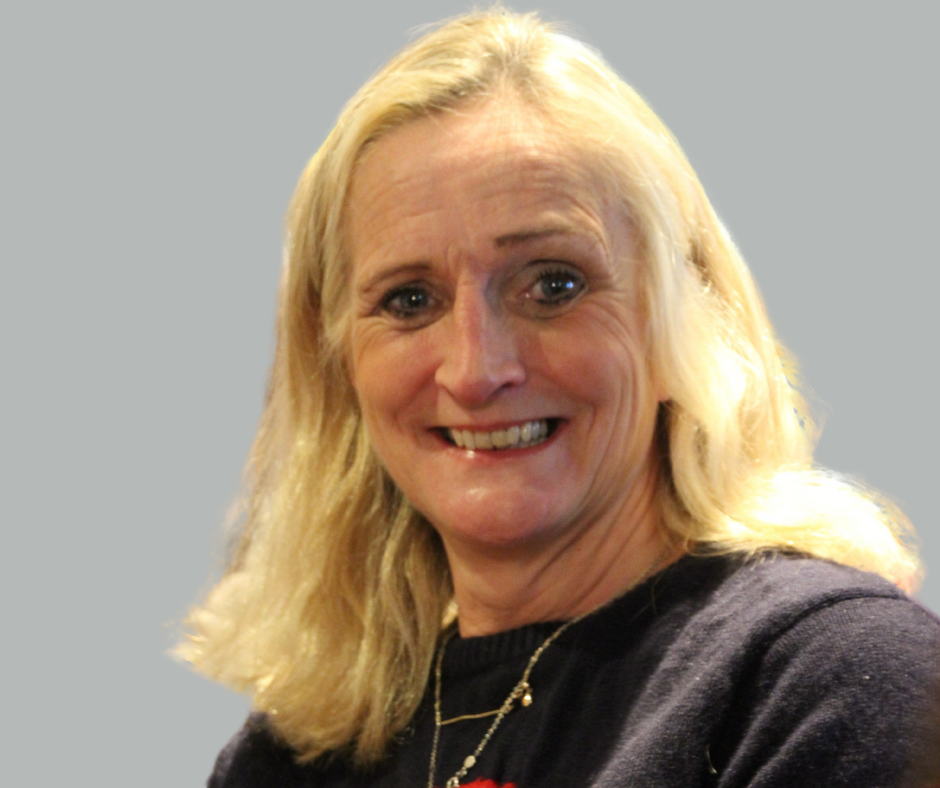
By Susie Boxall, Strategic Lead for Lived Experience:
Preparing for Discharge (P4D) is a five-session course for inpatients approaching discharge, allowing them to plan well and feel more confident about returning to their lives. It was co-produced with patients, mental health practitioners and peer trainers, and is co-facilitated by the Recovery College with input from ward teams and partners. Each of our sessions focus on what matters to the individual and builds a plan they can take with them.
Participants work on their Care and Treatment Plan (CTP), learn what to expect from community services, consider relationships and boundaries, practise self-care, and create a personal Wellness Passport to guide the first days and weeks at home. After the inpatient week, our support continues in the community through a post-discharge drop-in session. These sessions provide a friendly place to check in, resolve practical issues and stay connected with peer and practitioner support.
How sessions are run
Our groups are small to allow time and space for discussion. Sessions are co-facilitated by peer trainers and practitioners, drawing on a range of expertise. For example:
- A senior nurse manager explains how Community Mental Health Teams work and where to seek help if circumstances change.
- Riverside Advice provide guidance on benefits, debt, and digital access.
- Pharmacists answer medication questions.
- Occupational therapists support daily routine planning and meaningful activities.
I’ve seen firsthand how holding sessions in the Recovery College, with a warm welcome and simple hospitality, helps people feel respected, safe, and in control.
The difference we make
The aim is straightforward: people leave hospital feeling more prepared, with a clearer plan and stronger links to support. The local figures we’ve recorded suggest our approach makes a meaningful difference.
Readmissions among P4D graduates are approximately 7.4%, compared with a 33% national average. Using a typical cost of £900 per bed per day and an average three-week stay, this equates to an indicative saving of around £340,000 – verified by our Value in Health colleagues.
Alongside the numbers, participants have reported to us about their greater confidence with medication, clarity about who to contact, and practical steps ready for the first few days at home.
“It reminds me that we’re all human and that we’re not alone. I think we need to share our thoughts and feelings more.”
P4D graduate, 2025
Alignment with the Safe Discharge Standards
By design, we’ve worked to ensure P4D reflects the spirit and detail of the new national standards. It has been heartening to see our success given the effort we’ve put into making sure the course is aligned with the standards. Our approach has included:
- Early, collaborative planning: Preparation starts before discharge, with clear roles across ward, community and third sector partners, feeding into multi-disciplinary team discussions.
- Person-centred and accessible: People shape their CTP, use plain-language materials and take away a Wellness Passport. Reasonable adjustments are routine.
- Education and preparation: The standards call for access to Recovery College sessions to support planning. P4D provides this consistently and links people to resources such as Dewis Cymru.
- Involving the support network: With consent, carers and supporters are invited to take part, with clear information about contacts and routes to help.
- Medication and follow-up: Pharmacy-supported sessions build understanding and confidence, and the programme helps people prepare for 72-hour follow-up.
Sharing learning and next steps
Interest in P4D is growing all the time and I expect this will be boosted by the introduction of the Safe Discharge Standards.
Coming up, the team will present at the Royal College of Psychiatrists Rehabilitation conference in November 2025. We will share the course with Health Education Improvement Wales via the National Lived Experience Team to spread and scale across Wales, which includes an offer of training to support others in their local delivery.
Suzanne Rankin (CEO of Cardiff and Vale University Health Board) has also invited the College to take part in her monthly engagement session, which highlights effective practice and explores opportunities to share good practice across the organisation. I’m really encouraged by the wider recognition we’ve received, too – including invitations to national events, publication opportunities, and a Health Service Journal Innovation in Mental Health nomination.
Looking ahead, the College will continue embedding P4D across wards, strengthen routine data capture, and expand the post-discharge network.
Key takeaways
Preparing to leave hospital is a core part of recovery. Cardiff and Vale Recovery and Wellbeing College is demonstrating that a short, practical and co-produced course can help people feel ready, connect them with the right support and reduce the likelihood of readmission.
As Wales adopts the Safe Discharge Standards, P4D offers a clear and transferable approach for others to use with confidence. Investing in people’s recovery before they leave inpatient care, brings us closer to a future where discharge is not the end, but a new beginning.